Global Customs

$20 Trillion dollars in Global Trade is on the precipice of digitalization for the first time in history.
Methodology
Research questions
- To what degree are global single window trade initiatives creating opportunities for startups?
- In what ways is the trade war opening or closing doors for startups?
- Are customs brokers going away? / How will tech automate customs brokers?
- What are the biggest opportunities in disrupting the Global Trade Management space?
- How are tech-enabled marketplaces and digital freight forwarders shifting industry incentives?
How customs works
The Import/Export process is fraught with ever-changing rules and numerous stakeholders.
Brokers
- Shipper ships item: Producer or freight forwarder ships goods.
- Electronic cargo declaration: Forms sent to CBP 24hr before goods loaded on ship.
- CBP permits release of cargo: Notice of arrival sent to shipper by US Customs.
- Importer files entry documents and customs release request: Bill of lading, packing list and invoice sent to port of arrival.
- Customs bond/payment of duties/taxes/fees: Completed within 15 days of arrival.
The single window
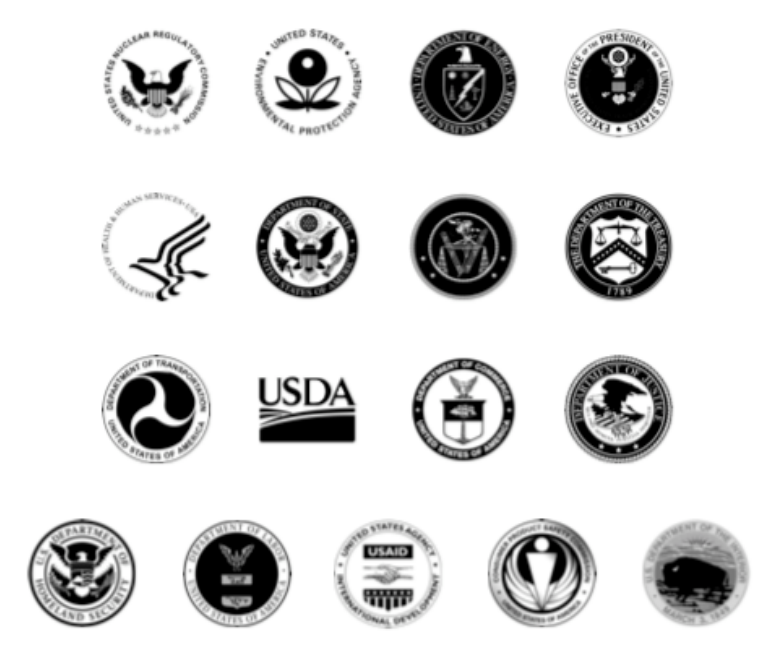
48 government agencies are responsible for imports and that's just in the USA...
This creates lots of paperwork and imposes organizational challenges to innovation.
Automated Commercial Environment (ACE) is a digital workflow standardizing nationwide imports
A 20 year project in the making despite adverse CBP incentives...
- Data: ISF data, manifest, entry summary
- Communication: EDI or portal
- Infrastructure: ACE
Global trade management
ACE cost US taxpayers $3.2 billion ...and it's already out of date.
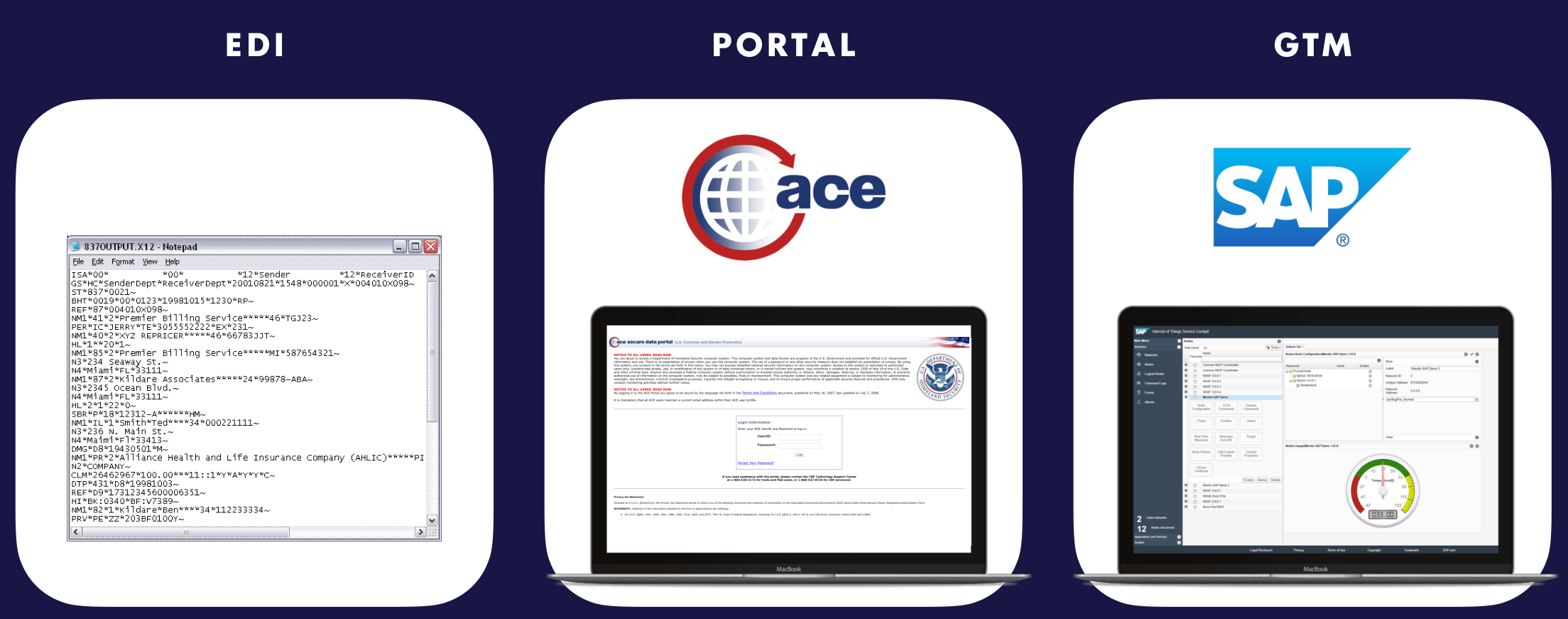
ACE still necessitates most F500 companies use global trade management software
"[New data requirements] place an incredible burden on the importer related to the collection and maintenance of these compliance-related data elements; in fact, one of the PGAs requires over 450 validations"
Knowledge base: Global import compliance and tariff rules.
Startup opportunity
Full stack automated customs brokerage — ancillary sales opportunities in trade bonds
- Automated customs bonds: Insufficiency notices on US Customs bonds are up 7,500% in the last year — continuous bond process is breaking under new weight of the trade war.
- Flexport customs without Flexport: Flexport automates customs for less than 1% of the market — everyone else would benefit from an independent player in the customs brokerage space.
- All time pressure from emerging players: Flexport automates customs for less than 1% of the market — everyone else would benefit from an independent player in the customs brokerage space.
Lightweight global trade management software enabling global single window beyond F500
Classification via harmonized tariff schedule
- Lightweight SAAS: Company in this space could play into opacity of competitor pricing and complexity of purchasing modules at a base price of $30k. Existing players rely on ERP integrations and services revenue from on-premises deployments.
- NK-enabled classification: Auto-classification of goods from item manifests and invoices into customs categories. This is one of the biggest areas of uncertainty for business owners and the area that generates the most savings/ROI.
- Automated knowledge base generation/maintenance: The value prop and defensibility of existing Global Trade Management software is in regularly updated knowledge bases of trade compliance and tariff rules. These databases are expensive to maintain and companies like Amber Road employ ~85+ people for monitoring and updating.
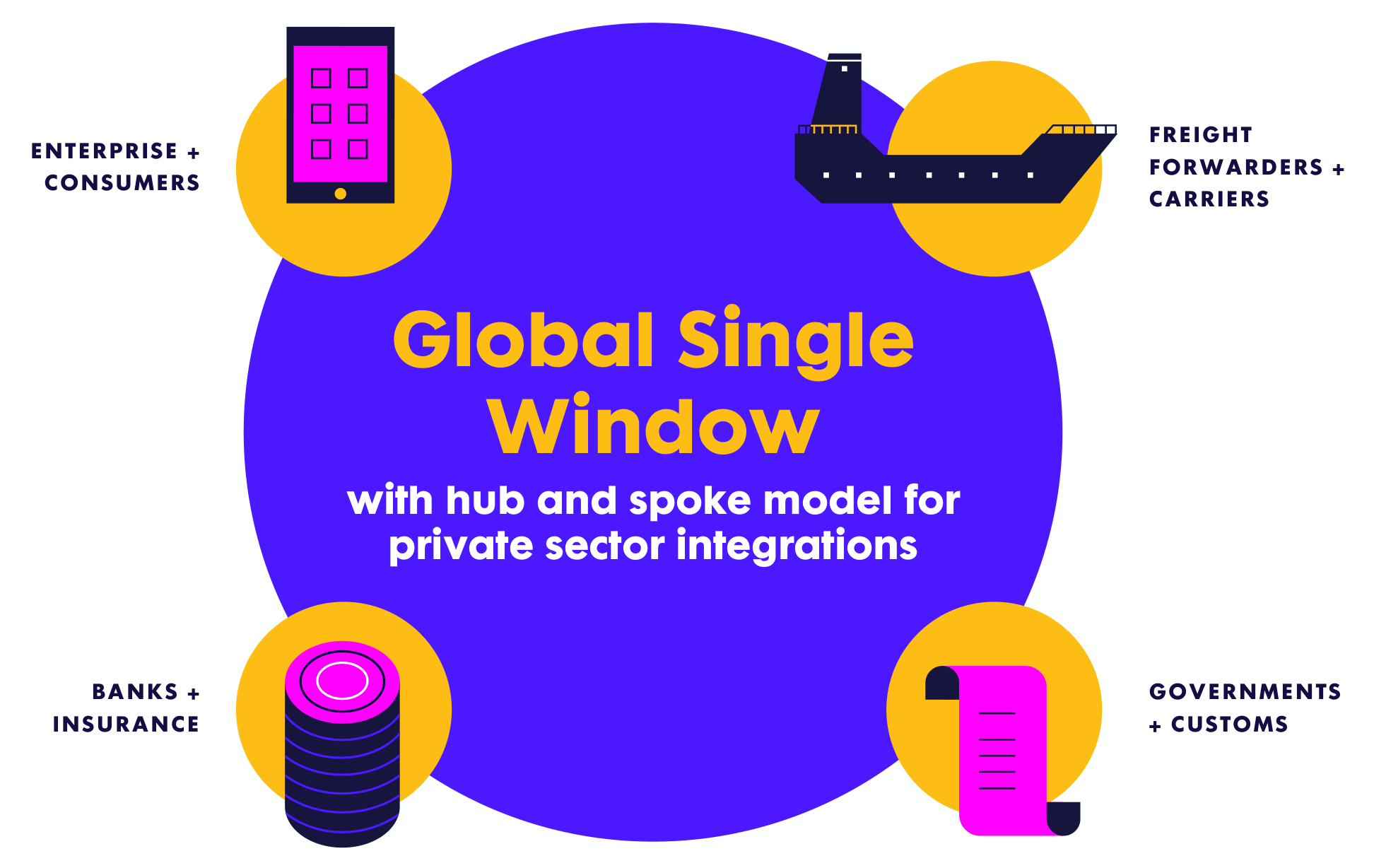
Global single window with hub and spoke model for private sector integrations
Turnkey customs brokerage for brands and marketplaces
- Automated sellers workflow: Digitized workflow that sellers on a large marketplace can use to move their items through customs. Particularly relevant as Shopify/Amazon step up to manage the supply chain of their sellers.
- CBP license in a box: Getting a CBP license to act as a customs broker is complex. A turnkey brokerage could take on this burden for enterprises.
- Self surety underwriting: Companies have to set aside money to back guarantees of tariff payments. External firms exist to provide surety guarantees that pay out on behalf of enterprises. Such a company could enable companies to self-guarantee their own payment.
Global single window is the biggest opportunity and the toughest gamble to pull off
- Full-stack automated customs brokerage: market size ~$2B — ~$4B. What we need to believe: A tech-enabled player could automate away enough tasks to undercut traditional competitors significantly on price.
- Lightweight global trade management software: market size ~$300M — ~$1B. What we need to believe: There are 10,000+ small/mid-size U.S. businesses avoiding GTM software because it's complex and too expensive.
- Global single window platform: market size ~$1B — ~$31B. What we need to believe: Building a few integrations would be enough for an initial market. Could be done without government buy-in.
- Turnkey customs brokerage: market size ~$1B — ~$2B. What we need to believe: There are enough carriers/marketplaces/brands with scale to justify taking customs in-house.

Considerations
AI and workflow automation have a role to play in the next generation of customs solutions.
To what degree are global single window trade initiatives creating opportunities for startups?
Single window is just one of many digitization initiatives worldwide — ranging from France mandating e-invoicing to Singapore sharing customs data with private sector service providers. Corporates need new ways to manage digital paper trails and new digital infrastructure is unlocking new automation opportunities.
In what ways is the trade war opening or closing doors for startups?
The trade war has increased bond requirements for trade and generally created a more uncertain regulatory/tariff environment. Enterprises today use technology and outsourced service providers to mitigate both of these risks.
Are customs brokers going away? / How will tech automate customs brokers?
No, the need for customs brokers has only increased with new trade regulations and new digital tools. New GTM tools are emerging alongside digitized customs brokerages like Amazon's INLT (M&A), Maersk's Vandegrift (M&A) and Flexport's Customs Brokerage.
What are the biggest opportunities in disrupting the global trade management space?
Global single window is a very difficult problem with Google-sized returns.
How are tech-enabled marketplaces and digital freight forwarders changing industry incentives?
Marketplaces like Amazon are getting into customs brokerage and disintermediating traditional brokerages. Tech initiatives from Flexport are also increasing customer expectations.
Glossary
- Automated commercial environment (ACE): The Automated Commercial Environment (ACE) is the system through which the trade community reports imports and exports and the government determines admissibility.
- Continuous customs bond: A customs bond is required to import goods into the United States, as a form of insurance to protect the U.S. Treasury. A continuous customs bond will cover all of your import shipments for one year.
- Customs broker: Customs brokers are private individuals, partnerships, associations or corporations licensed, regulated and empowered by U.S. Customs and Border Protection (CBP) to assist importers and exporters in meeting Federal requirements governing imports and exports.
- Digital freight forwarder: A tech-enabled person or company that organizes shipments for individuals or corporations to get goods from the manufacturer or producer to a market, customer or final point of distribution.
- Electronic cargo declaration: A Customs declaration is an electronic form that lists the details of goods that are being imported or exported when a citizen or visitor enters a customs territory (country's borders).
- Electronic data interchange (EDI): EDI, or Electronic Data Interchange, enables the exchange of standardized documents between companies' IT systems.
- Global trade management (GTM): Global trade management (GTM) software helps companies manage their trade operations around the world. GTM is used mostly by importers and exporters to improve collaboration with trade partners and manage global trade operations.
- Harmonized tariff schedule: The primary resource for determining tariff (customs duties) classifications for goods imported into the United States.
- Knowledge base: A knowledge base is a technology used to store complex structured and unstructured information used by a computer system.
- Partner government agency (PGA): A PGA is a division of the U.S. government that regulates certain products and oversees their entry into the U.S.
- Single window: A single window system enables international (cross-border) traders to submit regulatory documents at a single location and/or single entity. Such documents are typically customs declarations, applications for import/export permits, and other supporting documents such as certificates of origin and trading invoices.
- Surety bond: A customs surety bond is a contract used for guaranteeing that a specific obligation will be fulfilled between customs and an importer for any given import transaction.